

Music
The Academic Study of Relaxing Music
Welcome to Music Path. This platform serves as a dedicated resource for the analysis of auditory arts. We explore the theoretical foundations of relaxing music and its structural components. Our materials support students and researchers in their pursuit of a music education degree. Here, you will find objective data regarding composition, industry standards, and production.

Featured
Commercial Distribution and Genre Specifics
The market for relaxing music operates differently from standard pop industries. It relies heavily on instrumental clarity and atmospheric consistency. Specialized music labels curate this content with precision. These organizations look for composers who understand acoustic theory.
Success in this niche requires more than just artistic intuition. It demands knowledge of production standards. Labels prioritize high-fidelity audio that maintains its quality across various playback systems. Understanding these commercial requirements is a vital part of professional music education.
Explore
Check Music Best Moments





About Us
Analysis of Relaxing Music and Composition
Relaxing music is a distinct category within musicology that prioritizes tempo, harmony, and timbre to influence listener physiology. It is not merely a background element but a structured form of composition. The primary function of this genre is the reduction of psychological arousal through specific auditory patterns.
Composers often utilize a tempo between 60 and 80 beats per minute. This range aligns with the resting heart rate of a human adult. The harmonic structure typically avoids dissonance. It focuses on consonant intervals that resolve tension rather than creating it. This approach allows the listener to process the sound without significant cognitive load.
Call To Action
Structural Elements of Calming Compositions
The creation of relaxing music requires a deep understanding of sound engineering and psychology. Instruments are selected based on their frequency range. Low-frequency sounds often ground the composition. Higher frequencies are used sparingly to provide texture.
Repetition is another key element. Predictable patterns provide a sense of security and stability. This differs from complex jazz or classical forms that demand active intellectual engagement. In this context, simplicity is a deliberate artistic choice.
Clients Review
Academic Pursuits and Music Education
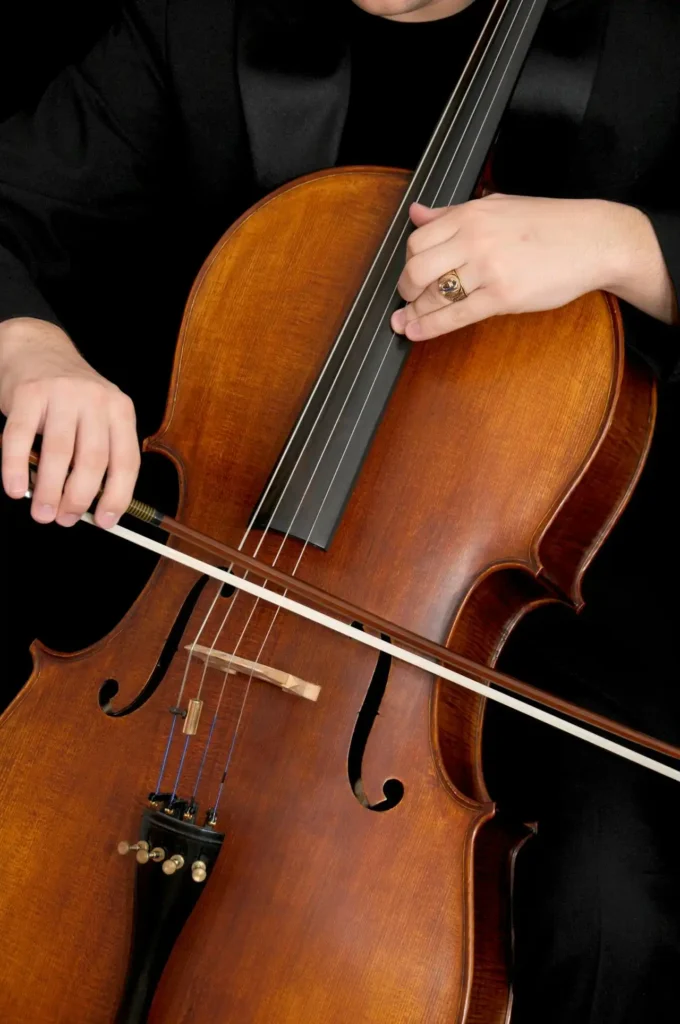
Understanding the mechanics of sound requires formal training. Many institutions offer a music education degree that covers these precise techniques. Students in these programs study music theory, composition, and the psychology of sound.

Formal education provides the tools to analyze why relaxing music works. It moves beyond intuition and into the realm of acoustic science. A degree program introduces students to the history of music and modern production technologies. This academic foundation is essential for anyone looking to work professionally in the music industry or music therapy sectors.
Articles
Check Our Articles
Essay providers that do my math homework for me WritePaper offer a practical solution for busy students by delivering well-written assignments on time.
-

Interscope Records
Historical Context and Corporate Foundation The study of modern music history is incomplete without a thorough analysis of Interscope Records.…